
Introduction
Quinoa has become one of the most popular healthy foods worldwide, and for good reason. Whether you’re trying to eat healthier, add more plant-based protein to your meals, or simply explore new ingredients, learning how to cook quinoa is a valuable kitchen skill. Although quinoa looks like a grain, it is actually a nutrient-rich seed that is naturally gluten-free and packed with protein, fiber, vitamins, and minerals.
In this complete beginner’s guide, you’ll learn everything you need to know about cooking quinoa. We’ll cover what quinoa is, its impressive health benefits, the ingredients and tools you’ll need, how to rinse and cook it properly, common mistakes to avoid, and creative ways to enjoy it in everyday meals. By the end of this guide, you’ll feel confident preparing quinoa for salads, grain bowls, side dishes, soups, and much more.
What Is Quinoa?
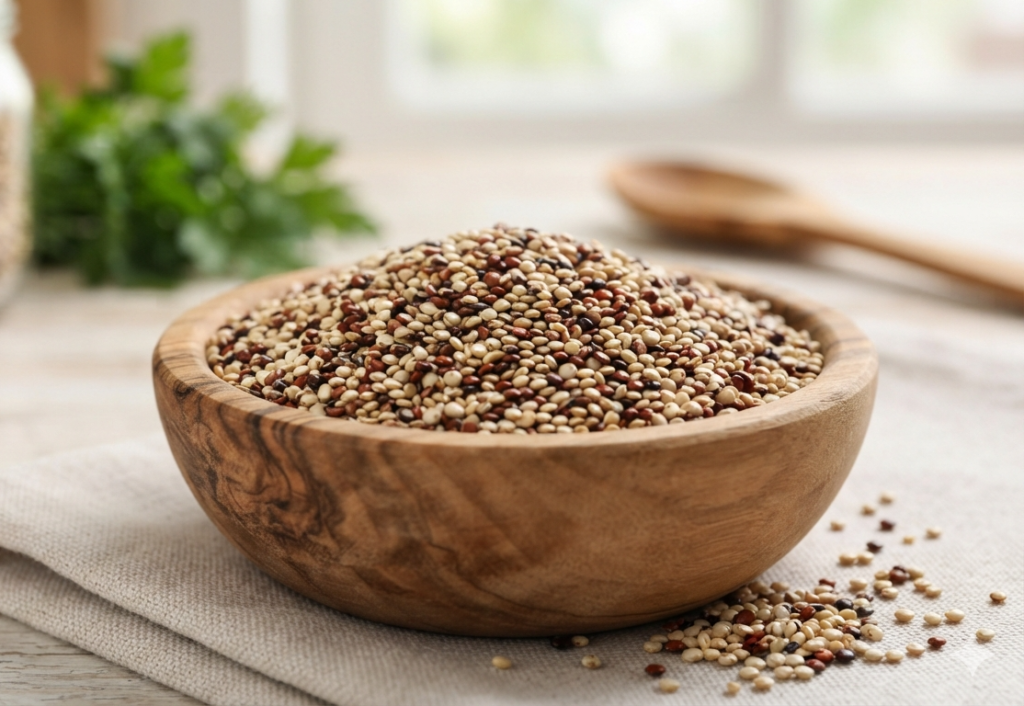
Quinoa (pronounced KEEN-wah) is a tiny edible seed that comes from the Chenopodium quinoa plant, which is native to the Andes Mountains of South America. For thousands of years, quinoa has been a staple food in countries such as Peru and Bolivia, where it has been valued for its nutrition and versatility.
Although quinoa is commonly grouped with grains like rice and wheat, it is technically a seed, making it a pseudocereal. This means it is prepared and eaten like a grain but has a different botanical origin. Because of its mild, nutty flavor and fluffy texture, quinoa can easily replace rice, couscous, or pasta in many recipes.
One of quinoa’s biggest advantages is that it is naturally gluten-free, making it an excellent choice for people with celiac disease or gluten sensitivity. It is also one of the few plant foods that contains all nine essential amino acids, making it a complete protein. This is why quinoa is especially popular among vegetarians, vegans, athletes, and anyone looking to increase their protein intake without relying on meat.
Types of Quinoa
There are three common varieties of quinoa, each with slightly different textures and flavors.
| Type | Flavor | Texture | Best For |
|---|---|---|---|
| White Quinoa | Mild and slightly nutty | Soft and fluffy | Everyday cooking and side dishes |
| Red Quinoa | Rich and nutty | Slightly firmer | Salads and grain bowls |
| Black Quinoa | Earthy and bold | Firm and chewy | Gourmet recipes and hearty meals |
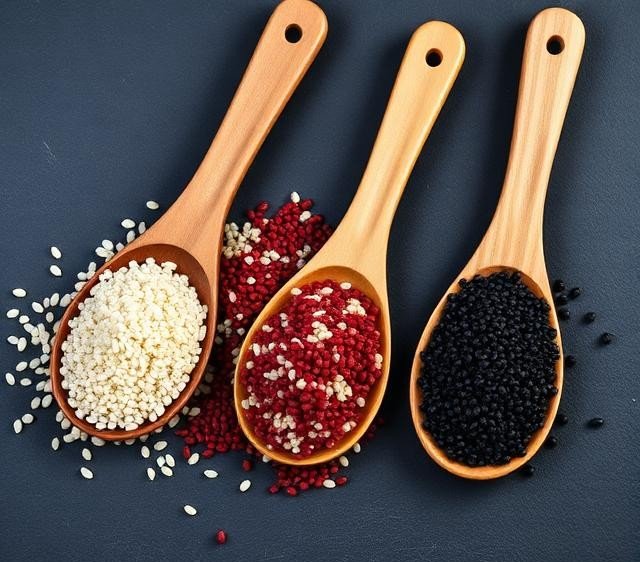
White quinoa is the most common variety and is the easiest for beginners because it cooks quickly and has a light, fluffy texture.
Health Benefits of Quinoa
Quinoa is often called a superfood—not because it’s magical, but because it’s packed with nutrients that support overall health.
Excellent Source of Plant Protein
Unlike many other grains, quinoa provides all nine essential amino acids. Protein helps build and repair muscles, supports the immune system, and keeps you feeling full after meals. This makes quinoa a fantastic option for vegetarians, vegans, and active individuals.
Rich in Dietary Fiber
One cup of cooked quinoa contains a good amount of dietary fiber, which supports healthy digestion and helps you stay satisfied longer. Fiber may also contribute to healthy cholesterol levels and regular bowel movements.
Supports Weight Management
Because quinoa combines protein and fiber, it can help reduce hunger and keep you feeling full for longer periods. Including quinoa as part of a balanced diet may make it easier to manage portion sizes and support healthy weight goals.
Packed with Essential Minerals
Quinoa naturally contains important nutrients such as magnesium, iron, phosphorus, potassium, zinc, and manganese. These minerals support bone health, energy production, muscle function, and overall wellness.
Good for Heart Health
Whole foods like quinoa provide fiber, antioxidants, and minerals that contribute to heart health. When combined with a balanced diet, quinoa can be part of a heart-healthy eating pattern.
Naturally Gluten-Free
People with gluten intolerance or celiac disease can enjoy quinoa as a safe alternative to wheat-based grains. Always check the package for a certified gluten-free label if cross-contamination is a concern.
Ingredients You’ll Need
Cooking quinoa requires only a few simple ingredients, but each one plays an important role.
1 Cup Quinoa
This is the main ingredient. One cup of dry quinoa typically yields about three cups of cooked quinoa, making it perfect for meal prep or for serving several people.
2 Cups Water or Broth
Water works perfectly for everyday cooking, while vegetable or chicken broth adds extra flavor with very little effort.
Salt
A small pinch of salt enhances quinoa’s naturally nutty flavor and prevents it from tasting bland.
Olive Oil or Butter (Optional)
Adding a teaspoon of olive oil or butter gives quinoa a richer flavor and a softer texture. This step is optional but can improve the overall taste.
Kitchen Tools Required
You don’t need any special equipment to cook quinoa, but using the right tools makes the process easier.
Fine-Mesh Strainer
Quinoa is coated with natural compounds called saponins, which can leave a bitter taste if they’re not removed. A fine-mesh strainer lets you rinse the tiny seeds thoroughly without losing them.
Medium Saucepan with a Lid
A saucepan with a tight-fitting lid helps trap steam, allowing the quinoa to cook evenly and absorb the correct amount of liquid.
Measuring Cups
Using accurate measurements is essential for achieving the correct quinoa-to-water ratio. Too much water can make quinoa mushy, while too little may leave it undercooked.
Fork
Instead of stirring cooked quinoa with a spoon, use a fork to gently fluff the grains. This keeps the quinoa light, airy, and separate.